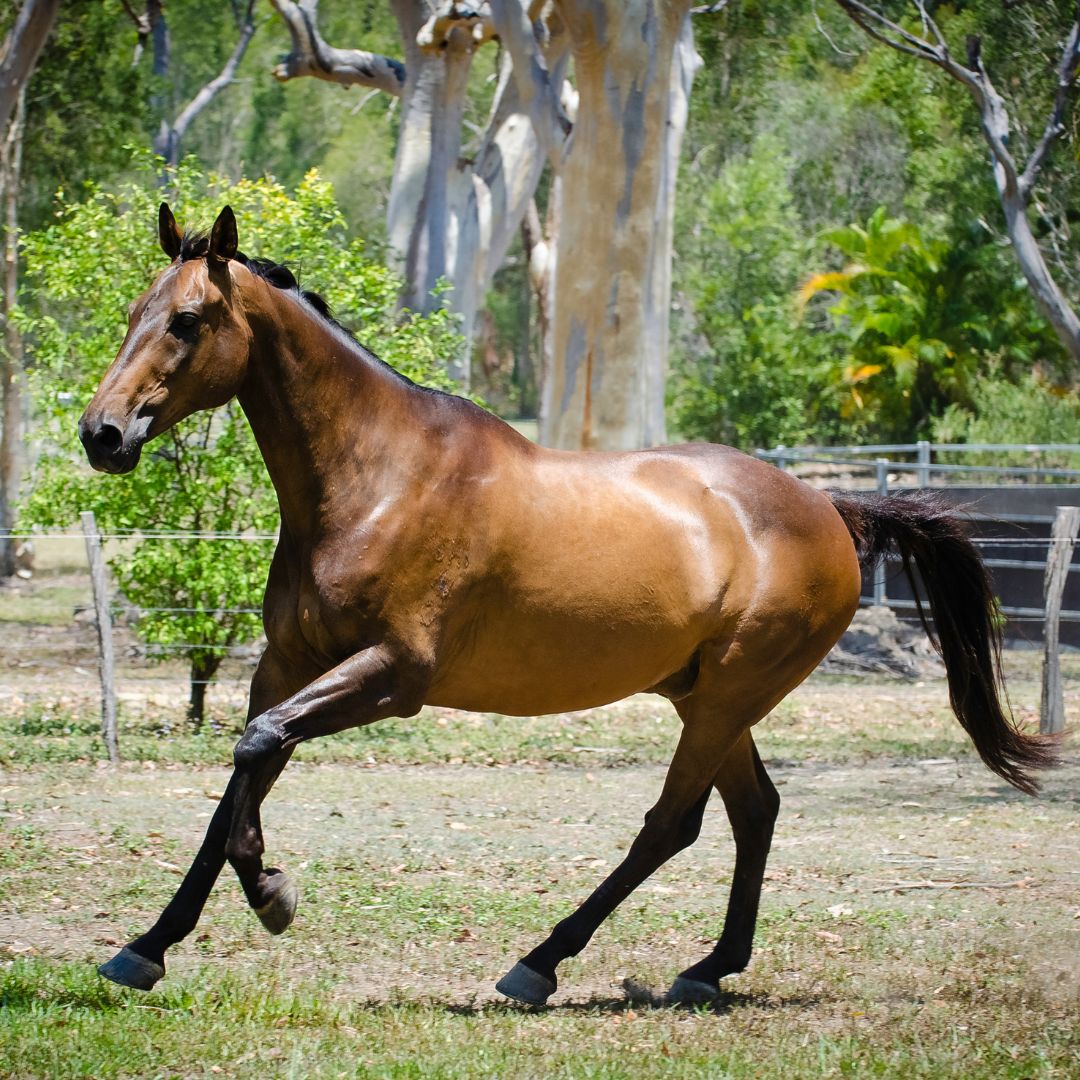
Learning to canter can be one of the most exhilarating yet challenging parts of horse riding. Unlike walk or trot, canter involves a unique rhythm that requires coordination, relaxation, and balance from the rider. The tips below will help you develop a secure seat and avoid common mistakes, making cantering a more enjoyable experience for both you and your horse.
Understanding the Canter Movement
Cantering resembles a series of flowing arcs, similar in shape to the bottom of a sideways egg. There are three main sensations in the canter:
At no point should the rider’s seat lift away from the saddle. Rising out of the saddle or “bumping” down can disrupt the horse’s rhythm and cause discomfort. The goal is a deep, following seat where the hips, not the shoulders, move with the horse.
The Value of Lunging
Being lunged on a well-trained horse, particularly one with a slow, regular canter, can significantly help beginners. Without needing to steer, the rider can focus entirely on balance and feel. A helpful technique is holding the saddle—inside hand on the front and outside hand on the back—to position the body correctly and pull the seat deeper into the saddle.
Common Challenges and How to Overcome Them
Many riders unintentionally grip with the knees or thighs, which lifts them from the saddle and causes instability. This also contributes to losing stirrups. Instead, allow your leg to stretch down with each stride, ensuring your knees aren’t pinching and your toes stay aligned. Reassess stirrup length as stirrups that are too long or too short can create balance issues.
Another frequent issue is poor rein contact. Too tight, and your horse receives conflicting signals—your seat says go, but your hands say stop. Too loose, and you lose control. Aim for a steady, elastic contact that supports forward movement without pulling.
Slowing a Fast Canter
If your horse rushes in the canter, gradually reduce the size of your circle. This encourages the horse to engage its hindquarters and slow naturally. Maintain consistent shapes and avoid sudden sharp turns, which could lead to injury. Smaller circles also help smooth the downward transition to trot, improving balance and rhythm.
Transitions and Balance
Going from canter to trot can unseat a rider who anticipates the change and leans forward. Instead, stay deep in the saddle with shoulders back. If needed, use one hand to hold the saddle while guiding the horse with the other.
With practice and awareness, cantering becomes one of the most enjoyable parts of riding. Focus on developing your feel, relaxing into the movement, and communicating clearly with your horse.