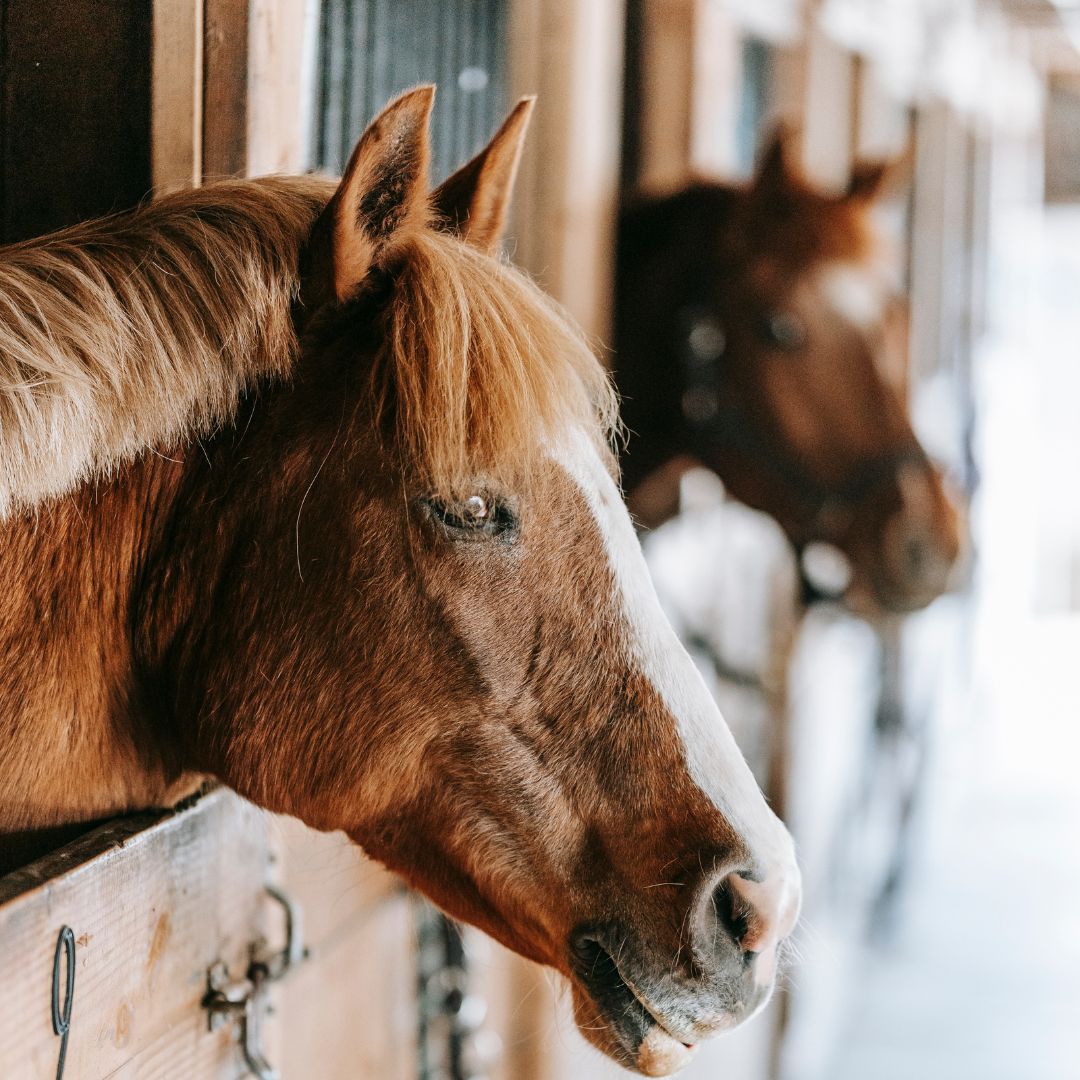
Caring for a horse that lives in a stable involves more than simply feeding and watering—it requires daily commitment, consistency, and a thorough understanding of equine needs. While this guide won’t cover everything, it provides a solid foundation for anyone new to stabled horse care.
Horses kept in stables rely entirely on their carers for food, exercise, and interaction. They must be checked and cared for at least twice a day. Regular feeding—especially of roughage such as hay—is essential to mimic their natural grazing habits and support digestion. For many horses, morning and evening feeds are a must, and some may need a midday top-up.
A clean stable is vital to your horse’s health. Muck out the stable at least twice daily, especially if the horse doesn’t get turned out. Some horses are tidier than others—while some use a designated ‘toilet’ corner, others mix bedding and manure throughout the stall, making cleaning more demanding.
Use a fork to remove manure and wet bedding, and sift through to save clean material. Replace what you remove with fresh bedding and bank the bedding up the walls to reduce the risk of the horse getting cast. Always sweep outside the stable and dispose of waste at the manure heap. Sprinkling lime or stable-safe disinfectant helps manage odours and bacteria.
Daily hoof picking is essential to prevent issues like thrush, a foul-smelling infection of the frog that thrives in damp, dirty environments. Left untreated, thrush can lead to lameness and discomfort.
The size of the stable affects both comfort and safety. A horse should have enough space to move, lie down, and turn around easily. As a general guide:
Stabled horses need regular exercise or turnout to maintain physical and mental health. Lack of movement can lead to behavioural issues like weaving or crib-biting and even impact weight and condition. Daily turnout, lunging, riding, or hand-walking can help reduce boredom and prevent bad habits from forming.
Water is critical to equine health, and horses typically drink several times a day. You can use:
Caring for a stabled horse requires dedication and attention to detail. This guide provides a starting point, but learning more through structured education is key. For more in-depth knowledge, consider enrolling in a horse care course or speaking with an equine professional.