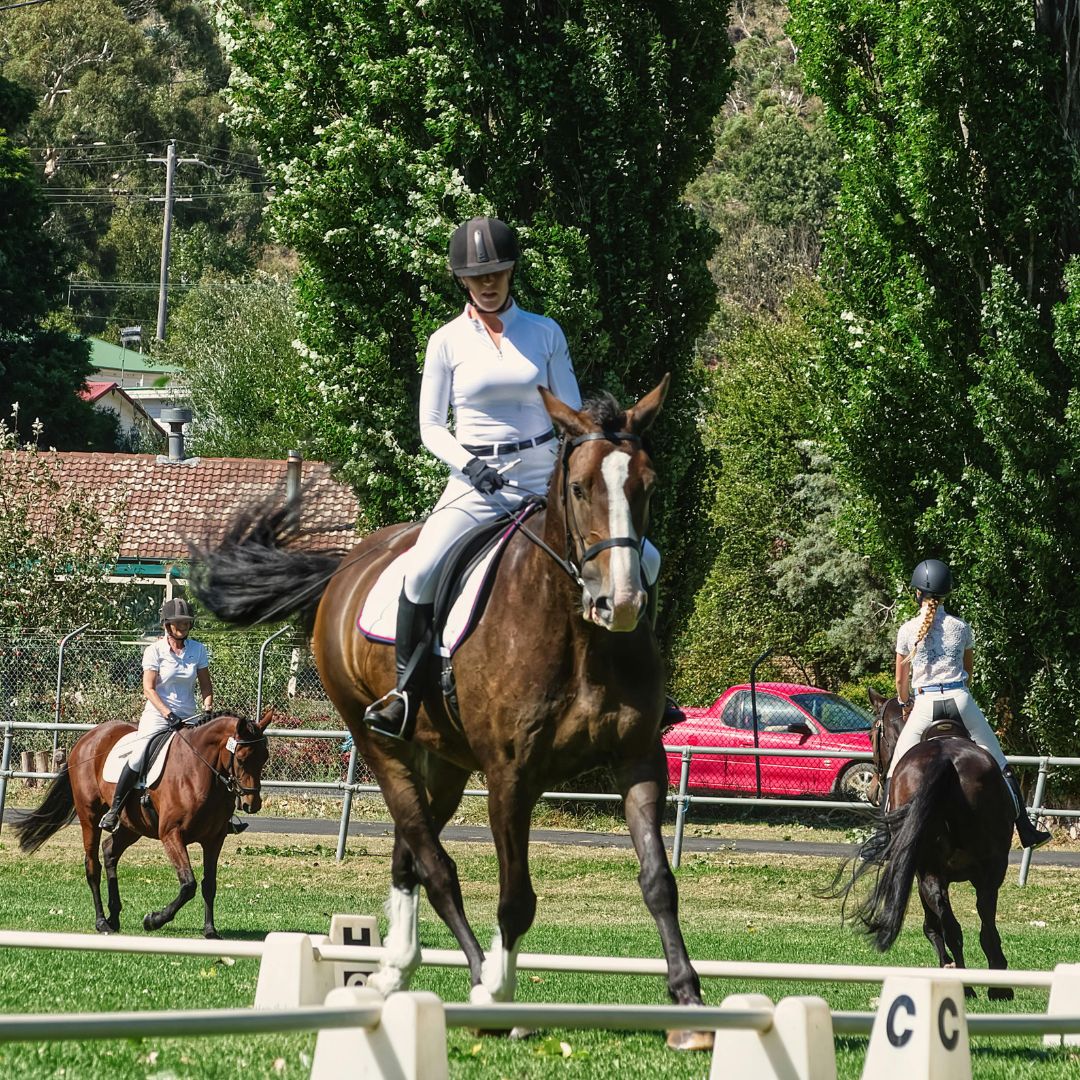
Horses are highly intuitive animals, often communicating their emotions and intentions through subtle body language. While many horses may appear calm and quiet, it’s essential to recognise when they’re feeling uncomfortable or unsettled—especially before they react with natural flight or defensive instincts. For riders and handlers, especially those who are new, nervous, or returning after a confidence knock, safety begins with awareness and understanding.
The good news? Rebuilding your confidence and improving your safety around horses can be approached simply—by following the A–B–C method.
Your mindset plays a key role in how you interact with your horse. A positive, focused attitude helps create a calmer environment and allows for clearer communication. Many riders benefit from techniques such as visualisation and Neuro-Linguistic Programming (NLP) to reset unhelpful thought patterns and build mental resilience. By shifting how you think about your abilities and experiences, you begin to feel more in control, which your horse will also sense.
Before you can hope to communication with a horse effectively when riding, you must first develop your own balance. Whether on the ground or in the saddle, your balance affects every interaction—from how you apply aids to how confident you feel if your horse moves unexpectedly. Losing your balance can quickly translate to losing control—both physically and emotionally. Exercises that improve posture, core strength, and stability will go a long way in making you feel more secure and connected to your horse.
Once your attitude and balance are in place, communication becomes more easily understood. Communication isn’t about force; it’s about mutual trust with appropriate response showing your horse has understood and given you the correct answer. When you are communicating well—and you horse understands you so it is a two way communication—the freedom of riding truly comes alive. Whether it’s cantering through open fields, splashing through creeks, or simply enjoying a hack, these experiences become both safe and exhilarating.
Skilled horse people may follow these steps instinctively, but true expertise lies in being able to teach them. Great instructors break confidence-building into a repeatable process. They understand the challenges faced by beginners, nervous riders, and those recovering from falls or frightening experiences. They guide riders through clear, manageable steps, tailored to individual needs.
If your confidence has taken a hit, don’t feel disheartened. With the right support and a return to the fundamentals of attitude, balance, and communication, you can rebuild not only your skills but also your enjoyment of horse riding. Seeking out a knowledgeable, empathetic trainer can make all the difference.
Every rider’s journey is unique, but confidence and safety go hand-in-hand. By focusing on these foundational A–B–C steps, you’ll be better prepared to understand your horse, stay safe, and rediscover the joy that horses bring.