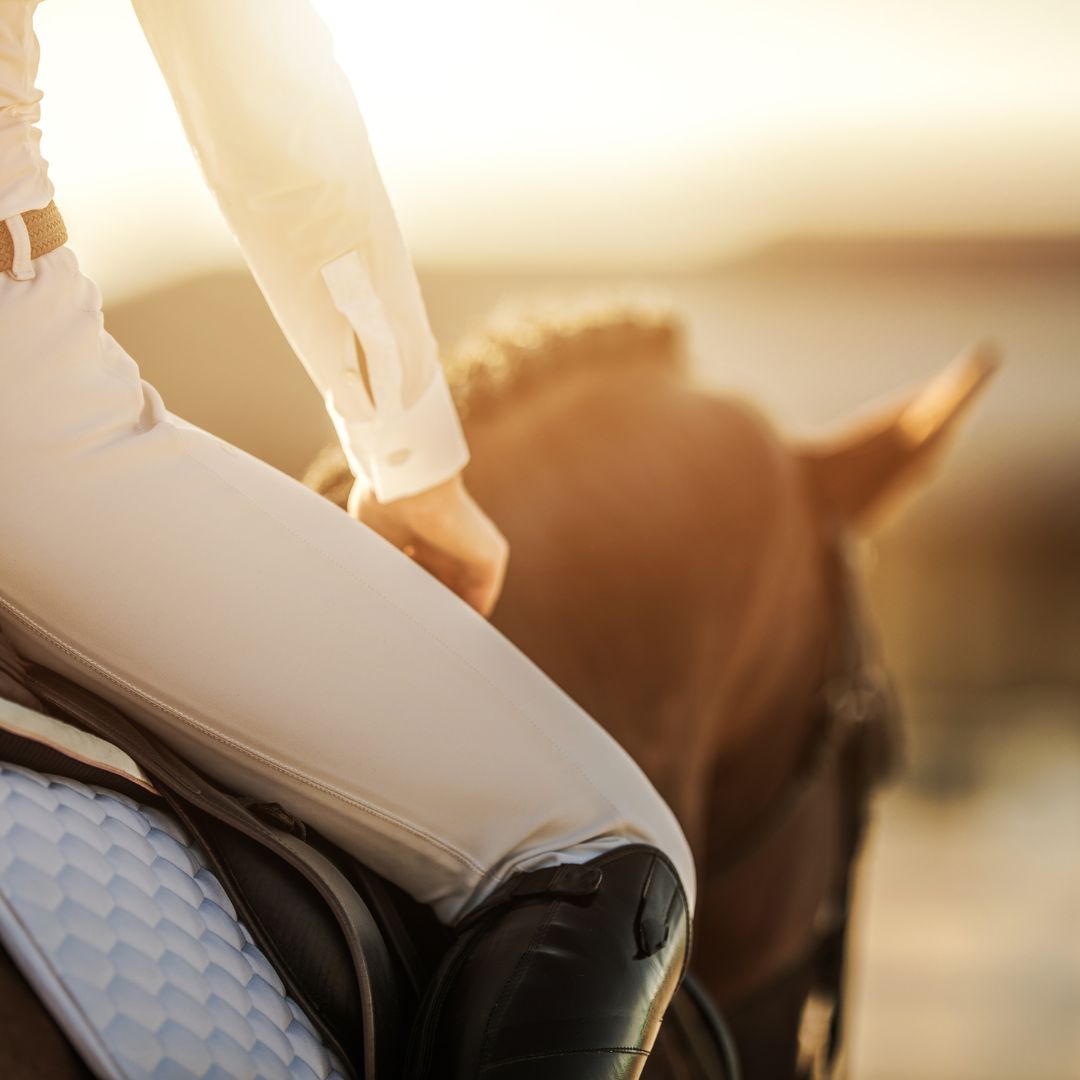
Understanding how to apply natural riding aids is a core skill for any rider, whether you're just starting out or looking to refine your horse’s training. Natural aids—your legs, weight, reins, and voice—are how you communicate with your horse. Used correctly, they create harmony and flow. Used inconsistently, they can confuse or frustrate your horse.
Leg aids are used to signal movement—whether it's asking your horse to move forward, sideways, or to maintain rhythm. Your lower legs should stay in soft contact with the horse’s sides, not gripping or flapping. This consistent contact helps refine your cues and allows your horse to stay more attentive to subtle signals.
There are three primary types of leg aids:
The horse's response depends on the rider’s balance, timing, and clarity. If a light aid doesn’t get a response, a firmer one may be needed.
Subtle shifts in your seat bones help guide the horse. By easing or increasing weight on one or both seat bones, you can enhance other aids and help direct movement. A well-balanced rider can use weight aids to complement rein and leg actions, supporting more refined communication.
Correct use requires alignment. An unbalanced rider may accidentally give confusing signals or hinder the horse’s movement. Riders increase seat pressure by tightening the back and core muscles while staying tall and following the horse’s motion.
Easing weight, such as leaning slightly forward into the thighs and stirrups, is useful when riding young horses or relieving pressure from the horse’s back.
Rein aids should never work in isolation. They must be used in coordination with weight and leg aids. There are several types:
Correct hand position, with thumbs on top and soft wrists, ensures elastic contact. Avoid pulling or sawing motions.
‘Feel’ is the rider’s ability to time and coordinate aids effectively. It allows you to understand how your horse is responding and to adjust quickly. Riders with a natural sense of rhythm, sensitivity, and quick reactions may find this easier, but feel can be developed through instruction, experience, and riding trained horses.
Good feel helps riders detect early signs of resistance, fatigue, or confusion. It also helps distinguish between spirited behaviour and disobedience, allowing for thoughtful and appropriate corrections.

I think it is really important to understand how to communicate with your horse. Small aids and movments through your body are felt by the horse helping both the rider and the horse to understand and get a 'feel' for one another. I really enjoyed reading this article.
Well said! That quiet communication through small, thoughtful aids really does help horse and rider connect and understand each other better. I’m so glad you enjoyed the article.
It's important to know how to communicate to your horse. The explanations were easy to follow and understand.
Thanks, Rilee! I’m really glad you found the explanations clear. Good communication is such an important part of building a strong partnership with your horse.
Developing feel is important especially when riding young horses, as they are more reactive than broken in, more experienced horses. I agree with this article as you need to understand how your horse is responding, so you can adjust quickly.
Thanks, Tarlia! You’ve made a great point! Developing feel really helps you understand and respond to a young horse’s reactions, which builds trust and harmony.