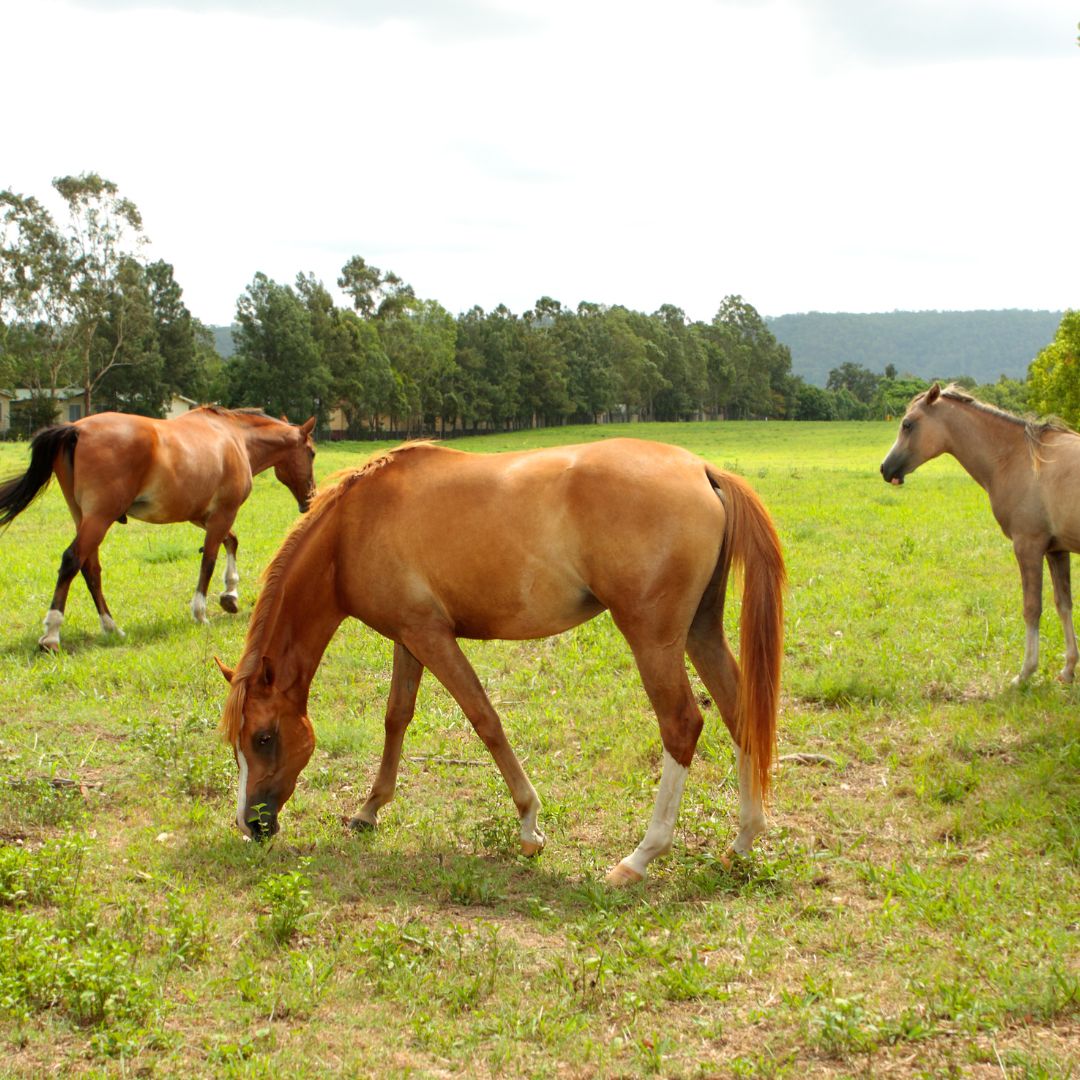
Caring for horses that live outdoors requires time, commitment, and a good understanding of their daily needs. While paddock-kept horses enjoy a more natural lifestyle than stabled horses, they still rely heavily on humans for safety, nutrition, and monitoring. Whether you're a new owner or working with horses professionally, this guide covers the essentials of outdoor horse care.
Even when horses are turned out in paddocks or fields, they must be checked at least once a day—ideally twice. If the pasture is poor in quality or sparse, horses will need additional feeding to meet their nutritional needs. During your visits, observe for signs of injury, illness, or changes in behaviour. Also check fencing for damage and ensure water is fresh and accessible.
Because horses outdoors are exposed to the elements, they may need rugging in cold or wet weather. Daily hoof care is essential—pick out their feet to remove debris and prevent issues like bruising or infections.
The condition of your paddock has a direct impact on your horse's health and safety. A paddock should offer quality grazing, shade, and shelter from wind and rain. Overgrazing is a common problem that can lead to weed growth and poor pasture. Rotate paddocks regularly to give grass time to recover and consider replanting if necessary—though this can be costly, especially if you are agisting or using livery.
Remove weeds manually or use safe herbicide practices, keeping horses away until treated areas are safe. Avoid paddocks with hazards such as rabbit holes, exposed nails, or discarded rubbish. Good fencing is critical—ensure it is secure, clearly visible, and free from sharp edges.
Desirable Features:
Undesirable Features:
Clean, accessible water is vital. Horses drink multiple times per day, even if only for a few minutes at a time. There are two common options:
Horses living outdoors benefit from more freedom but still require consistent human care. Meeting their basic needs—food, water, shelter, social interaction, and regular health checks—is essential for their wellbeing. With proper management and attention, your paddock horse can thrive in a natural and healthy environment.


Very informative!
Thanks, Jess! I’m glad you found it informative. Happy to help! 😊
Very helpful to helping keep horses safe and healthy whilst in their paddock.
Thank you, Skye! I’m so glad you found it helpful. Keeping horses safe and healthy in the paddock is so important. 😊